Osteoporosis Infusion & Injection Treatments
Modern, Effective Options to Support Bone Health
Osteoporosis is often called a “silent disease” because bone loss can progress for years, going unnoticed until a fracture occurs.
For many patients, traditional oral medications are not enough to adequately protect bone density or prevent fractures. Fortunately, osteoporosis infusion and injections can serve as powerful alternatives that can strengthen bones, slow bone loss, and significantly reduce fracture risk.

For patients seeking stronger protection against bone loss, infusion therapy or injections may provide an effective alternative to traditional options. The specialists at LUX Infusion are available to help you explore your treatment options whenever you’re ready to find out more.
What Is Infusion Therapy for Osteoporosis?
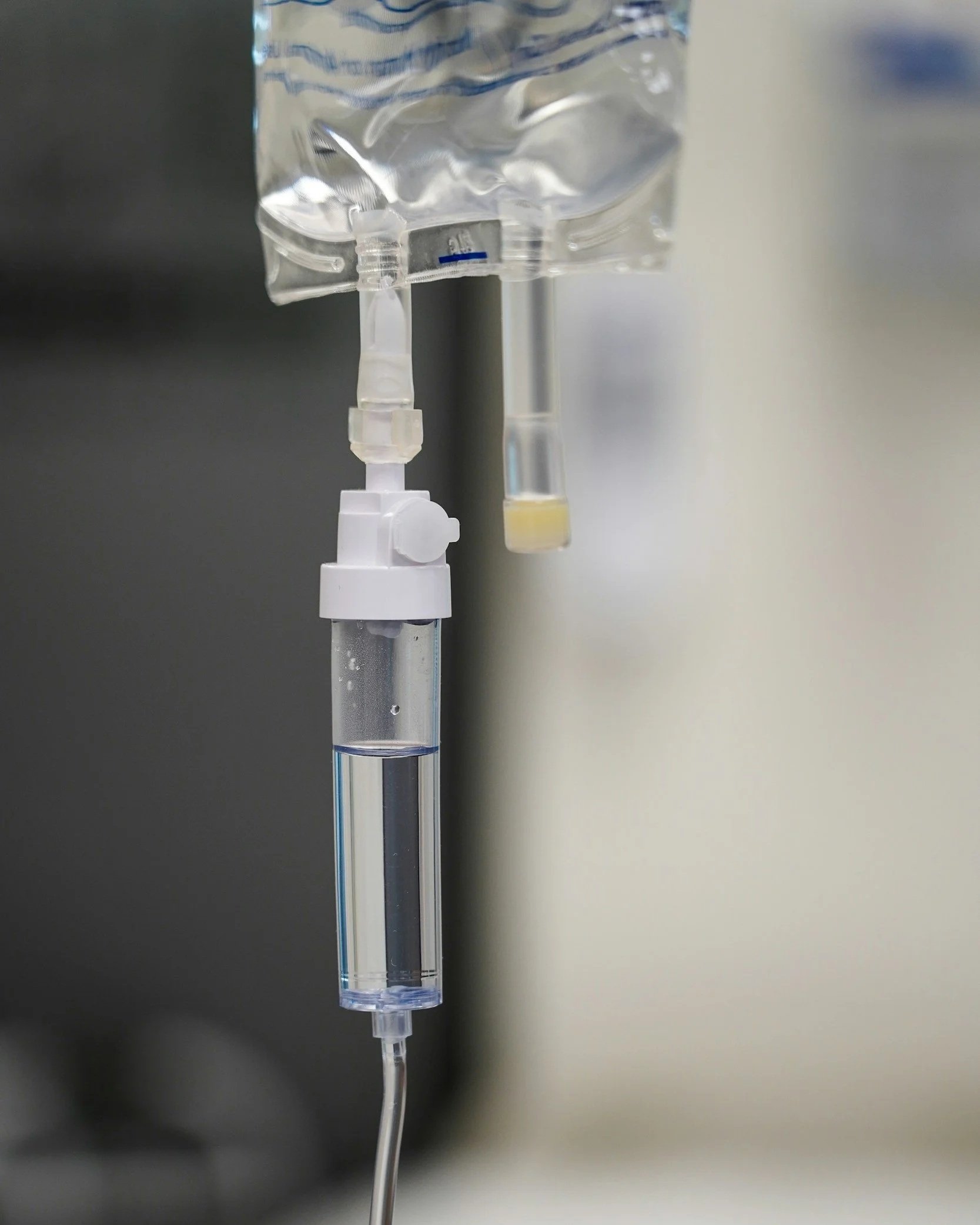
Osteoporosis infusion therapy refers to the intravenous (IV) administration of medications that have been prescribed to strengthen bones and reduce the risk of fractures.

These treatments are often recommended for patients who:
Have severe osteoporosis
Cannot tolerate oral medications
Require a more potent approach to slowing bone loss.
Along with IV infusions for osteoporosis, certain medications may also be administered as injections, offering another effective alternative when oral therapies are not appropriate for a patient’s treatment plan.
How Injections & Infusion Therapy for Osteoporosis Work
To understand how injections and infusions for osteoporosis work, it’s first important to understand:

How bone health is maintained in the body: Bone tissue is constantly undergoing a natural process called bone remodeling, where older bone is broken down and replaced with new bone
What changes occur with osteoporosis: In people with osteoporosis, bone remodeling becomes imbalanced, with bone being broken down faster than the body can rebuild it. Gradually, this imbalance can reduce bone density and weaken the structure of the skeleton, increasing the risk of fractures.
Injections and Infusion treatment for osteoporosis work by restoring balance in one of two primary ways. Specifically, these therapies can either:
Slow bone deterioration: Some therapies inhibit the activity of osteoclasts, which are the cells responsible for breaking down bone tissue.
Stimulate new bone formation: Other medications encourage the body to produce new bone, improving bone density and structural strength.
Because these medications remain active in the body for extended periods, they can often be administered less frequently than oral treatments.

In fact, depending on the drug and whether it’s administered via injection or infusion, patients may receive treatment:
Once per year
Every three months
Every six months
Monthly (for a limited time)
This reduced treatment frequency is one of the reasons osteoporosis infusion therapy and injections have become an increasingly preferred option for many patients.
Who May Benefit from Osteoporosis Infusion or Injection?
Doctors may prescribe osteoporosis infusion or injections for individuals at moderate to high risk of fractures, particularly when oral medications are not effective or well-tolerated.
Often, this includes (and is not necessarily limited to):
Postmenopausal women diagnosed with osteoporosis
Men with osteoporosis or significant bone density loss
Patients who have experienced fractures related to bone fragility
Individuals who cannot tolerate oral bisphosphonate medications
Patients with gastrointestinal conditions that interfere with medication absorption
Individuals who require stronger or longer-lasting treatment
Healthcare providers typically evaluate several factors before recommending infusion therapy or osteoporosis injections, including (but not limited to):
Medications Used in Osteoporosis Infusion & Injection Therapy
Several medications are widely used in osteoporosis infusion and injection therapy, each working through different biological mechanisms to support bone health.
Here is an overview of some of these medications.
| Brand Name (Generic Name) |
Treatment Type | Frequency | Typical Administration Time |
|---|---|---|---|
| Reclast (Zoledronic Acid) |
Bisphosphonate infusion | Once yearly | 15 to 30 minutes |
| Boniva (Ibandronate) |
Bisphosphonate injection | Every 3 months | Injection time (less than a minute) |
| Prolia (Denosumab) |
Subcutaneous injection | Every 6 months | Injection time (less than a minute) |
| Evenity (Romosozumab) |
Subcutaneous injection | Every month | Injection time (less than a minute) |
Each of these medications can offer unique advantages, depending on a patient’s risk profile, medical history, and treatment goals.
Reclast Infusions for Osteoporosis
Generically known as zoledronic acid, Reclast belongs to a class of medications known as bisphosphonates. These work by slowing the breakdown of bone and helping preserve bone density.
Administered as a single IV infusion once per year, zoledronic acid offers one of the most convenient treatment schedules available for osteoporosis management.
If you or a loved one may be receiving a Reclast infusion, here are some key facts to know:

Treatment duration: The infusion itself typically takes 15 to 30 minutes, making it a relatively quick treatment for a once-a-year dose.
Who may benefit from this treatment: Zoledronic acid is commonly prescribed for postmenopausal women and men with osteoporosis, particularly those at higher risk for hip or spine fractures. Because it remains active in the body for an extended period, Reclast can help stabilize bone density and reduce the likelihood of fractures.
Possible side effects: Some patients experience temporary flu-like symptoms after their first infusion, including mild fever, fatigue, or muscle aches. These symptoms are generally short-lived and can improve with subsequent treatments. Adequately hydrating before and after treatment can help prevent side effects.
When Reclast infusion may not be recommended: Zoledronic acid may not be appropriate for individuals with severe kidney impairment or untreated low calcium levels. That’s why clinicians typically review kidney function and calcium levels before prescribing Reclast infusions.
Boniva Injections for Osteoporosis
Generically known as ibandronate, Boniva is another bisphosphonate medication that can slow natural bone loss while helping preserve bone density over time.
In clinical settings, ibandronate is delivered as an injection every three months, providing a convenient treatment option for patients who prefer less frequent dosing than oral medications.
If you or a loved one may be receiving Boniva injections for osteoporosis, here are some essential facts to know:

Treatment duration: The injection itself is relatively quick, lasting no more than 15 to 30 seconds in most cases. With check-ins, preparations, and the post-injection observation period, the whole appointment can be wrapped up in roughly 30 minutes.
Who may benefit from this treatment: Ibandronate is most commonly prescribed for postmenopausal women with osteoporosis, especially those at increased risk of vertebral (spinal) fractures. By slowing bone resorption, Boniva can help stabilize bone density and strengthen the spine.
Possible side effects: Some patients may experience mild side effects after treatment, including muscle aches, joint discomfort, headache, or temporary flu-like symptoms. These reactions are generally short-lived and tend to improve with future doses.
When Boniva injections may not be recommended: As with other bisphosphonate therapies, ibandronate may not be appropriate for patients with severe kidney impairment or untreated low calcium levels. Healthcare providers typically evaluate kidney function and calcium levels prior to any treatments to ensure the therapy can be administered safely.
Prolia Injections for Osteoporosis
Generically known as denosumab, Prolia is a biologic medication that treats osteoporosis via a different mechanism than traditional bisphosphonates.
Instead of binding directly to bone tissue, denosumab blocks RANKL, a signaling protein that activates osteoclasts (the cells that break down bone). By inhibiting this pathway, the medication can help reduce bone loss, allowing bone density to increase over time.
Administered as a subcutaneous injection every six months, denosumab offers a long-acting treatment approach for managing osteoporosis.
If you or a loved one is receiving Prolia injections for osteoporosis, here are some details to get familiar with:

Treatment duration: The injection itself is usually completed in less than a minute, with the full appointment typically taking about 30 minutes. With just two injections per year, Prolia treatments can generally be completed in about an hour total to provide 12 months of ongoing osteoporosis management.
Who may benefit from this treatment: Denosumab is commonly prescribed for postmenopausal women with osteoporosis, men with osteoporosis who have a high fracture risk, and patients who cannot tolerate bisphosphonate medications.
Possible side effects: Some patients may experience mild side effects following a Prolia injection, such as back pain, muscle pain, joint discomfort, or injection-site reactions. In rare cases, low calcium levels may occur, which is why clinicians often review calcium and vitamin D levels before treatment.
Important treatment considerations: Stopping denosumab abruptly can lead to rapid bone loss, so patients typically follow a carefully mapped out treatment schedule that’s coordinated with their healthcare provider.
Availability of biosimilar options: LUX Infusion offers Prolia injections, as well as biosimilar versions of denosumab, such as Stoboclo. Biosimilars can provide the same therapeutic mechanism and clinical benefits while expanding treatment accessibility.
Evenity Injections for Osteoporosis
Generically known as romosozumab, Evenity represents a newer class of osteoporosis medications that both stimulate new bone formation and reduce bone breakdown. This dual-action mechanism makes it different from many traditional osteoporosis treatments that primarily focus on slowing bone loss.
Romosozumab works by blocking a protein called sclerostin, which normally limits the body’s ability to build new bone. By inhibiting this protein, the medication encourages the body to form new bone while also decreasing bone resorption, helping improve overall bone density.
Administered as two injections once a month, romosozumab is designed as a time-limited treatment course that can rapidly strengthen bones in patients with severe osteoporosis.
If you or a loved one has been prescribed Evenity injections for osteoporosis, here are some crucial facts to be aware of:

Treatment duration: Getting two Evenity injections at a monthly appointment typically takes around 30 minutes.
Who may benefit from this treatment: Romosozumab is often recommended for individuals with severe osteoporosis, particularly patients who have experienced multiple fractures. Evenity injections may also be prescribed to those with very low bone density who require more aggressive treatment to strengthen bones.
Possible side effects: Some patients may experience joint pain, headache, or mild injection-site reactions after treatment. Most side effects are temporary and manageable.
Important treatment considerations: Because romosozumab may carry cardiovascular considerations, healthcare providers carefully review a patient’s medical history to ensure there has not been a heart attack or stroke within 12 months of starting treatment. When appropriate, however, Evenity can significantly improve bone mineral density.
Why Patients Choose LUX Infusion for Osteoporosis Treatment
Receiving osteoporosis treatment at a specialized infusion center can offer several important advantages.
At LUX Infusion, therapies are delivered in a comfortable, NICA-accredited environment where patients receive attentive care from clinicians experienced in advanced infusion and injection treatments.

Patients at LUX Infusion can benefit from:
Experienced clinical care
Luxurious private and semi-private treatment suites
Careful monitoring throughout each appointment
Coordination with referring physicians and specialists
This patient-centered approach can help ensure osteoporosis infusions and injections are delivered safely, comfortably, and according to the highest clinical standards.
Osteoporosis Infusion & Injection FAQs
Osteoporosis treatments can raise questions and concerns, especially when starting a new course of therapy. Knowing what to expect and getting helpful answers can help patients feel more confident and make more informed decisions about their care.
-
Osteoporosis infusion and injection treatments can be highly effective for slowing bone loss and increasing bone density.
The exact level of benefit depends on various factors, including:
The medication prescribed
A patient’s overall bone health
How consistently treatment is maintained over time.
That said, many patients find osteoporosis infusion and injection therapies to be effective options for reducing their long-term risk of fractures.
-
IV infusions typically take 15–30 minutes, while most osteoporosis injections are administered in less than a minute.
Keep in mind that medication delivery is just one part of a full appointment. It takes additional time to check in, prepare medications, and monitor patients afterward.
For more specific timeframes and appointment information, contact LUX Infusion.
-
For some patients, oral medication may work well. For others, they do not.
These patients who cannot tolerate oral medications can find that osteoporosis infusion and injection therapies are easier to tolerate and maintain because treatments are administered only a few times per year, rather than requiring daily or weekly doses.
-
In many cases, yes, these therapies are covered by insurance when:
They are medically necessary.
They are administered in a clinical setting.
Please be aware that coverage can vary, depending on the medication and an individual’s insurance plan.
Protect Your Bone Health With Advanced Infusion Therapy

Osteoporosis infusion and injection therapy can offer an effective and convenient approach to managing a complex condition.
At LUX Infusion, patients receive advanced osteoporosis treatments in a comfortable, NICA-accredited clinic, supported by experienced practitioners.
To learn more about osteoporosis infusion and injection treatment options, contact LUX Infusion.